AI Engineering Blog

Analysis
In-depth pieces on inference economics, model evaluation, and infrastructure decisions. View all 15
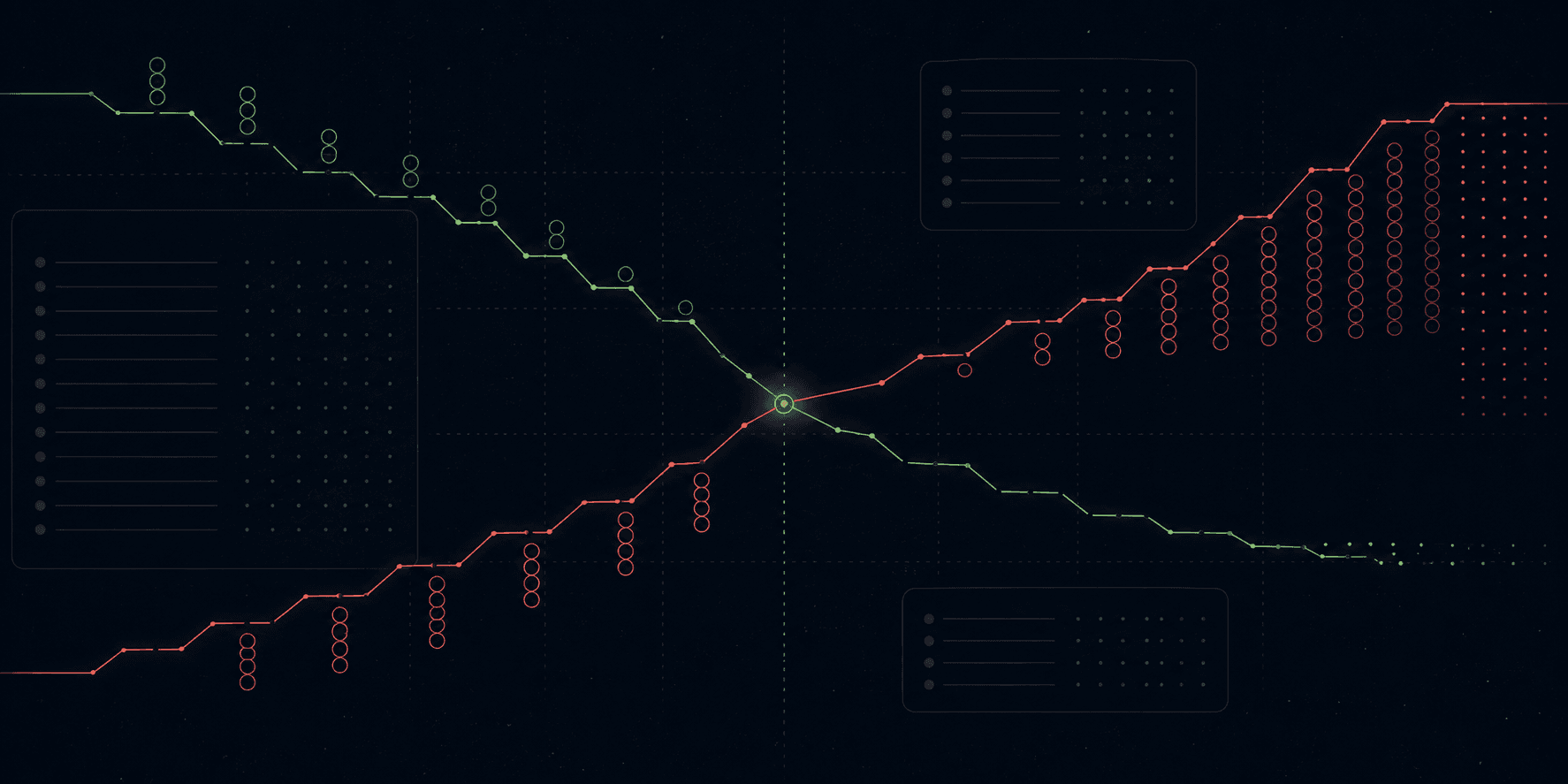
The LLM Cost Paradox: Falling Token Prices, Rising Bills
LLM token prices have fallen 9x to 900x per year, yet inference bills keep growing. Where the tokens go: reasoning, agent loops, and context growth.
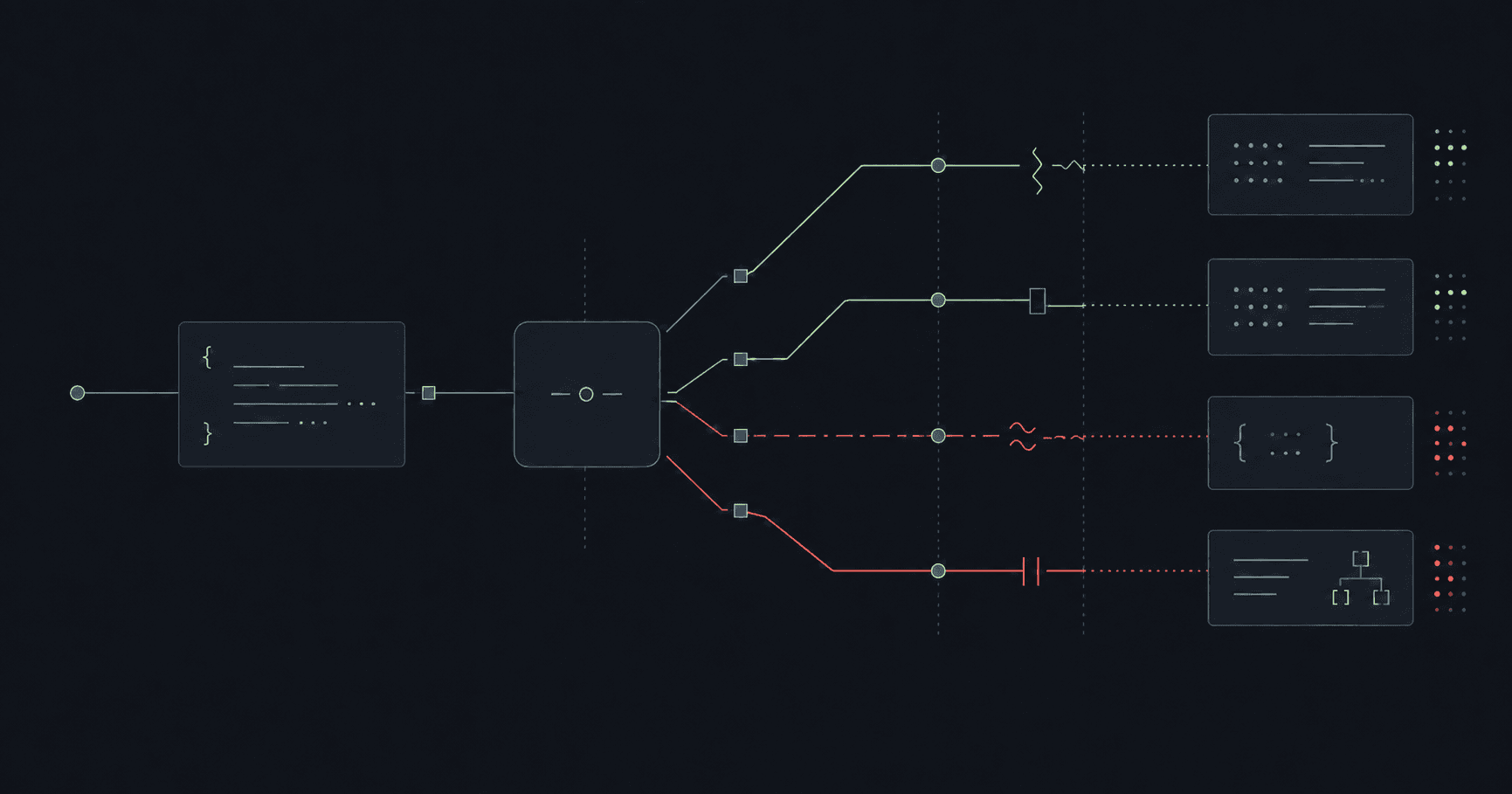
One API for All LLM Providers: What Silently Breaks
Why teams want a single API for multiple LLM providers, how OpenAI compatibility became the standard, and where that compatibility quietly breaks.
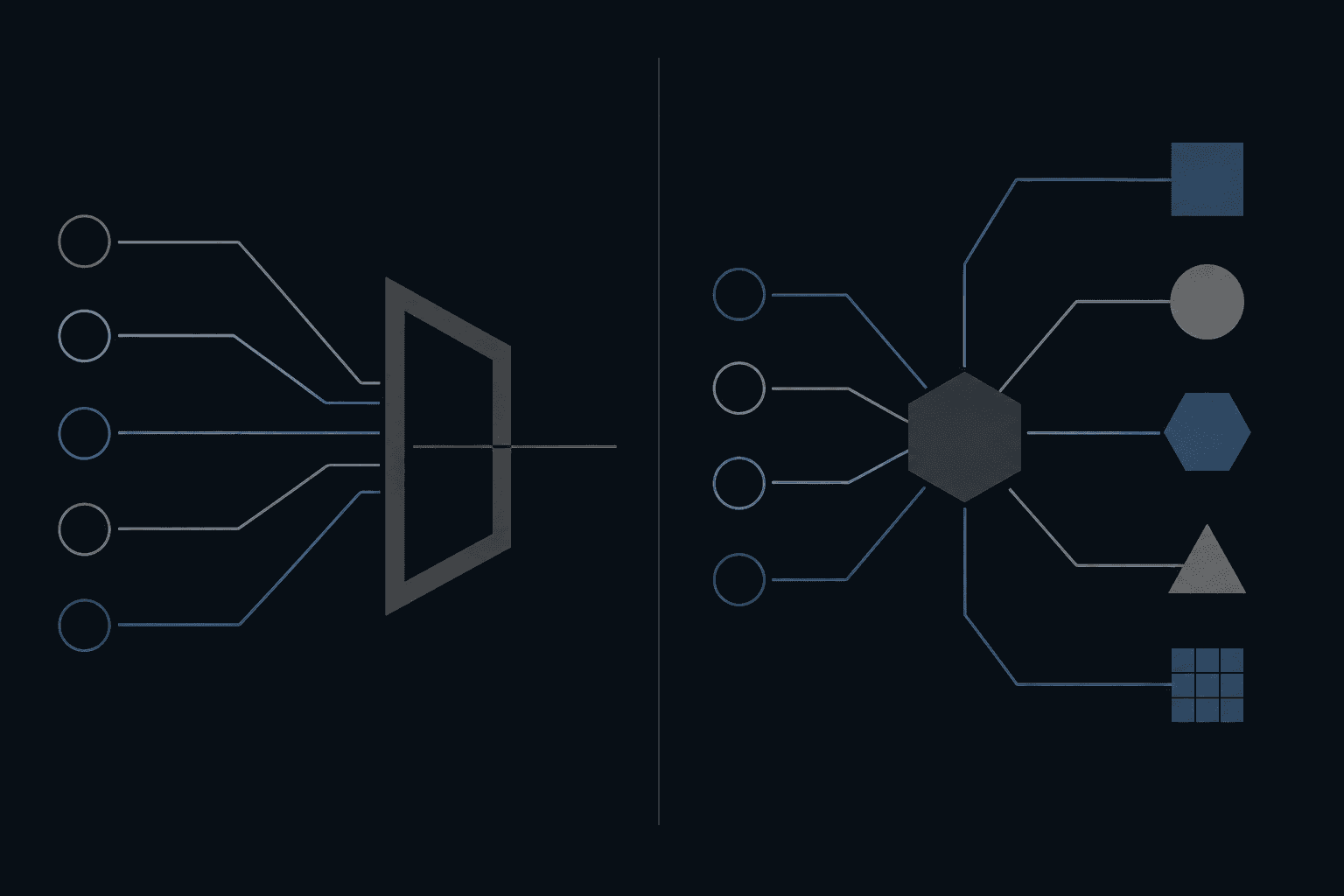
LLM Gateway vs LLM Router: What Each Layer Actually Decides
LLM gateways and LLM routers sit in the same place in the stack but decide different things. How to tell them apart, and which one your workload needs.
Foundations
Foundational explainers on the building blocks of modern AI systems. View all 14

Fine-Tuning vs RAG vs Prompt Engineering: Which One Fixes Your Problem
The three ways to adapt an LLM solve different failure modes. A decision framework for choosing between prompting, retrieval, and fine-tuning, with costs.

What Is an LLM API? How Applications Talk to Language Models
How LLM APIs work: the request and response anatomy, tokens as the billing unit, streaming, API keys, and why one wire format became the standard.

Instruct vs Thinking vs Base: What Model Suffixes Mean
The same model ships as base, Instruct, and Thinking, and the suffix changes what it can do more than the parameter count does. What each stage means and which one fits each workload.
Guides
Practical playbooks for choosing models, sizing GPUs, and reducing costs. View all 14
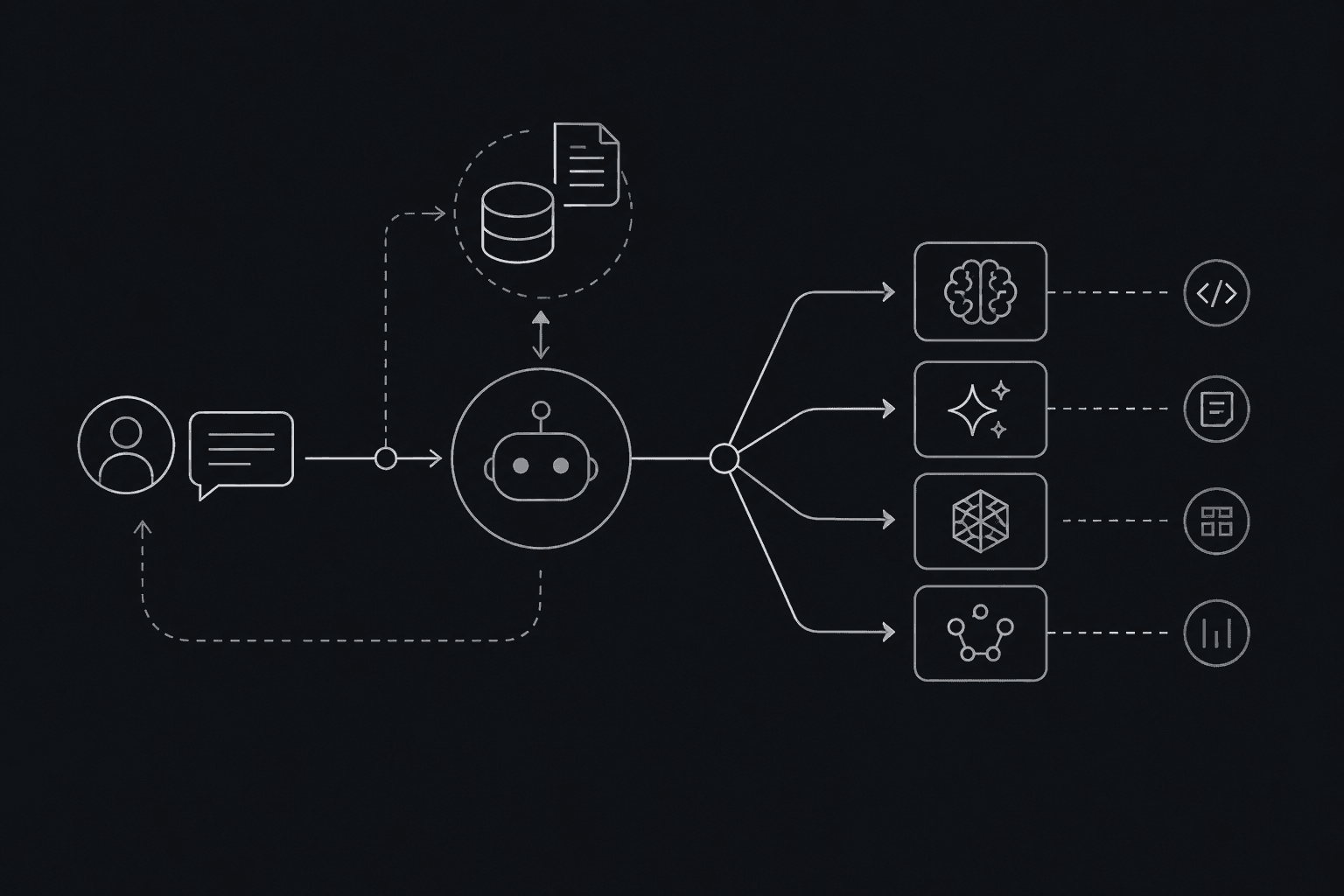
Model Routing for Agentic RAG: A Practical Guide
Agentic RAG puts the model in the loop before and after retrieval. Where routing fits per call, how the tool-driven loop routes, and how to wire embeddings on the same API.
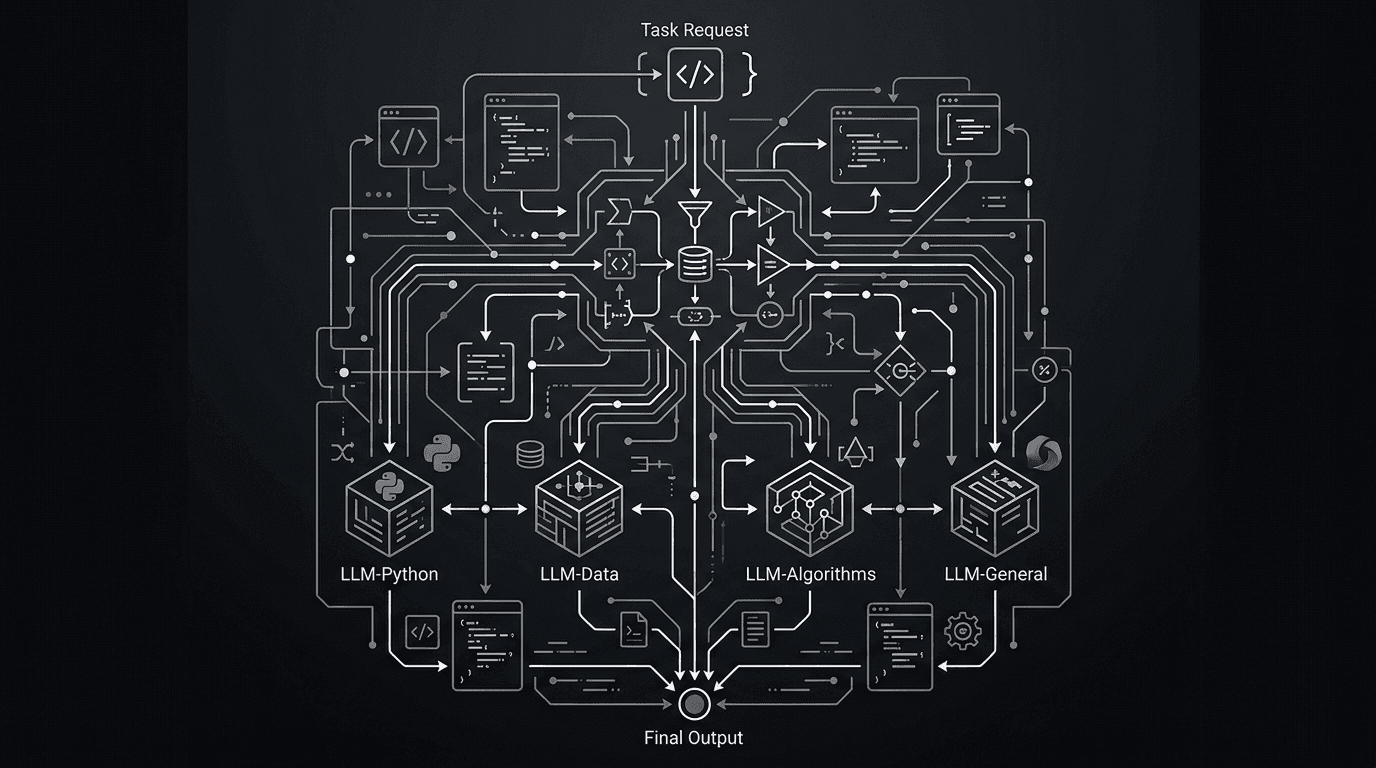
Model Routing for Coding Agents: A Practical Guide
Where a routing layer fits in a coding agent: why the tool-calling loop usually pins, how tool calls route when it does not, and how to audit every step.
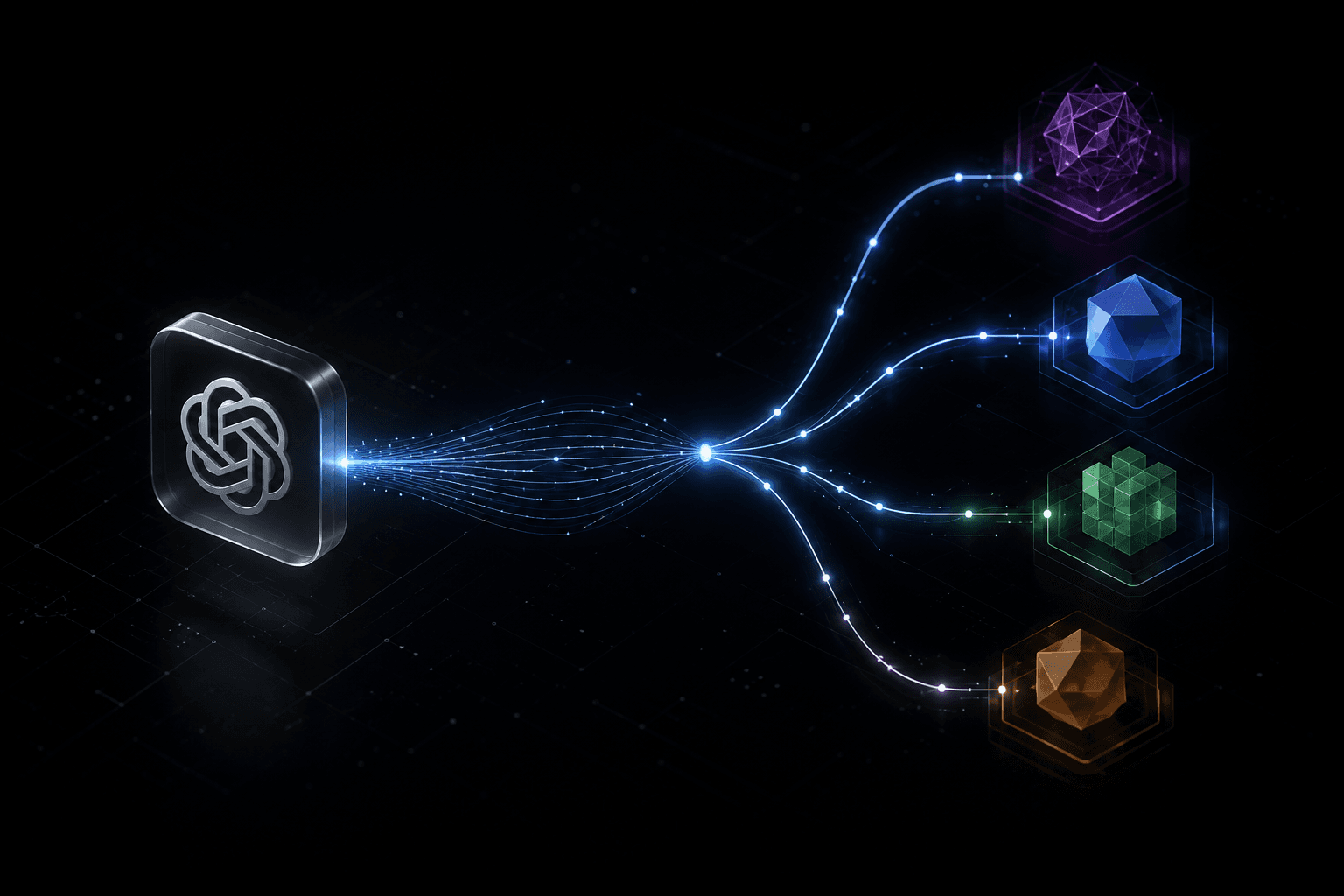
How to Route OpenAI SDK Calls Across Multiple Models
A working migration guide: point your existing OpenAI SDK calls at a routing layer, decide per call site between auto-routing and pinning, and verify the cutover.
Product & Methodology
How Inferbase tools work and the methodology behind them.

How Our AI Model Recommendations Work
How the 70/25/5 scoring model ranks AI models for your use case, with tag matching, capability analysis, and priority weighting.

How Our GPU Capacity Planning Calculator Works
Every formula and assumption behind our GPU capacity planning tool, covering model memory, KV cache, throughput, latency, and parallelism.
New guides, as they publish
Model selection, routing and infrastructure planning, written for engineers. No schedule, no filler.
Put intelligence in the middle.
One gateway in front of every model, with your policies applied and every decision on record. Start with $5 of credit and 5,000 routing decisions a month, no card required.