
Pay for lookups like lookups
Order questions, returns and the odd dispute, each routed to the model that fits it, with actions kept inside a policy and a receipt on every answer.
The queue is mostly easy. The bill is not.
Three hundred tickets ask the same six questions.
The one that matters waits behind them.
The parcel is already packed. The address is wrong.
The customer is polite, and in a hurry.
One wrong word costs a week of lookups.
The dispute goes to your best person. You hope they are in.
Three kinds of work.One bill that treats them as one.
The situations, and the guide that builds each
Every one is a build guide: the architecture, the policy, the code that was run, and what was measured.
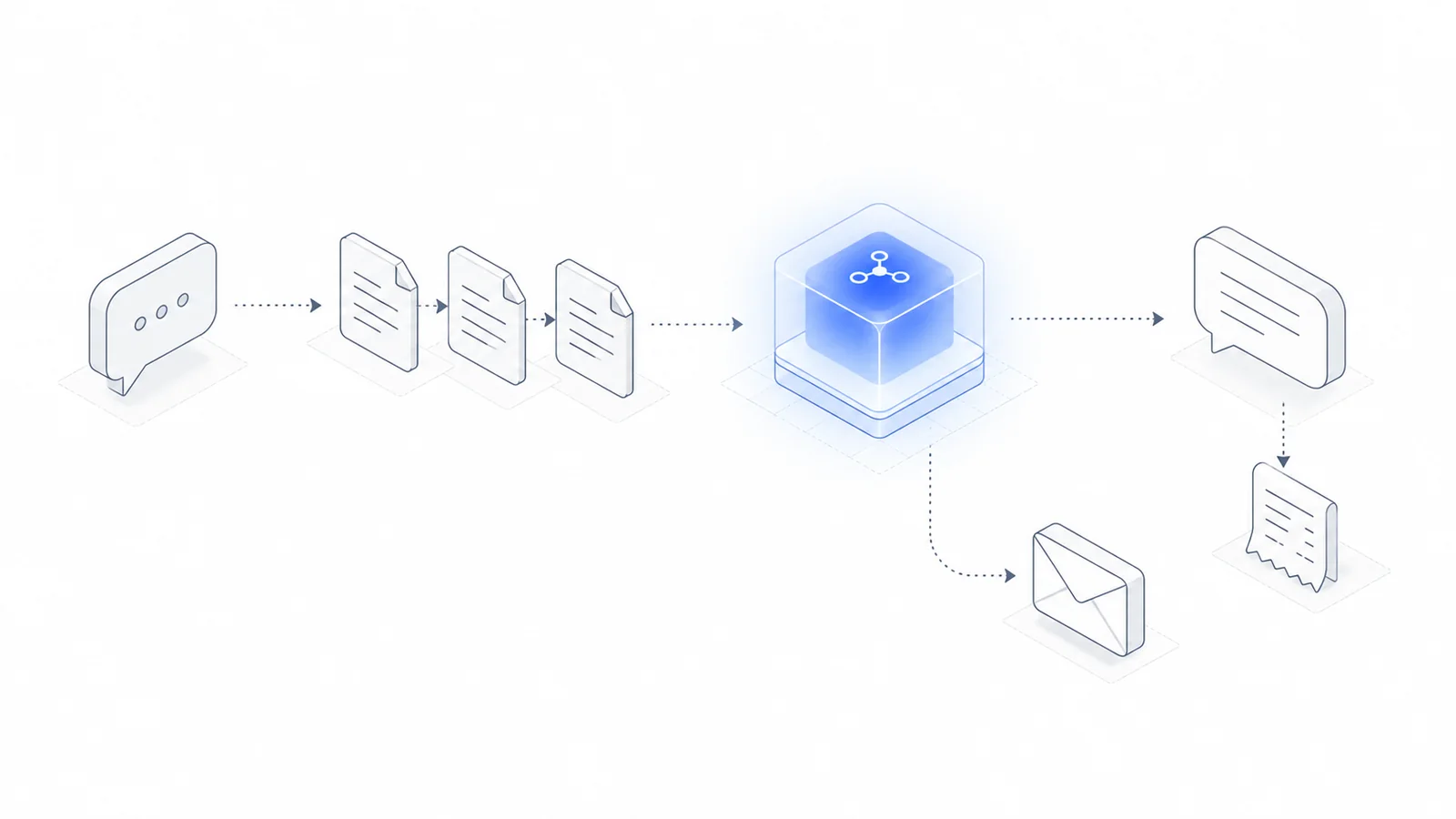
Where is my order, and what is your returns window
A chat on your help centre that answers from your own policies with the passage it used, hands off to a person when the shopper is upset, and shows which model answered and what it cost. The guide is the design our own site runs.
Build guide: Customer support assistant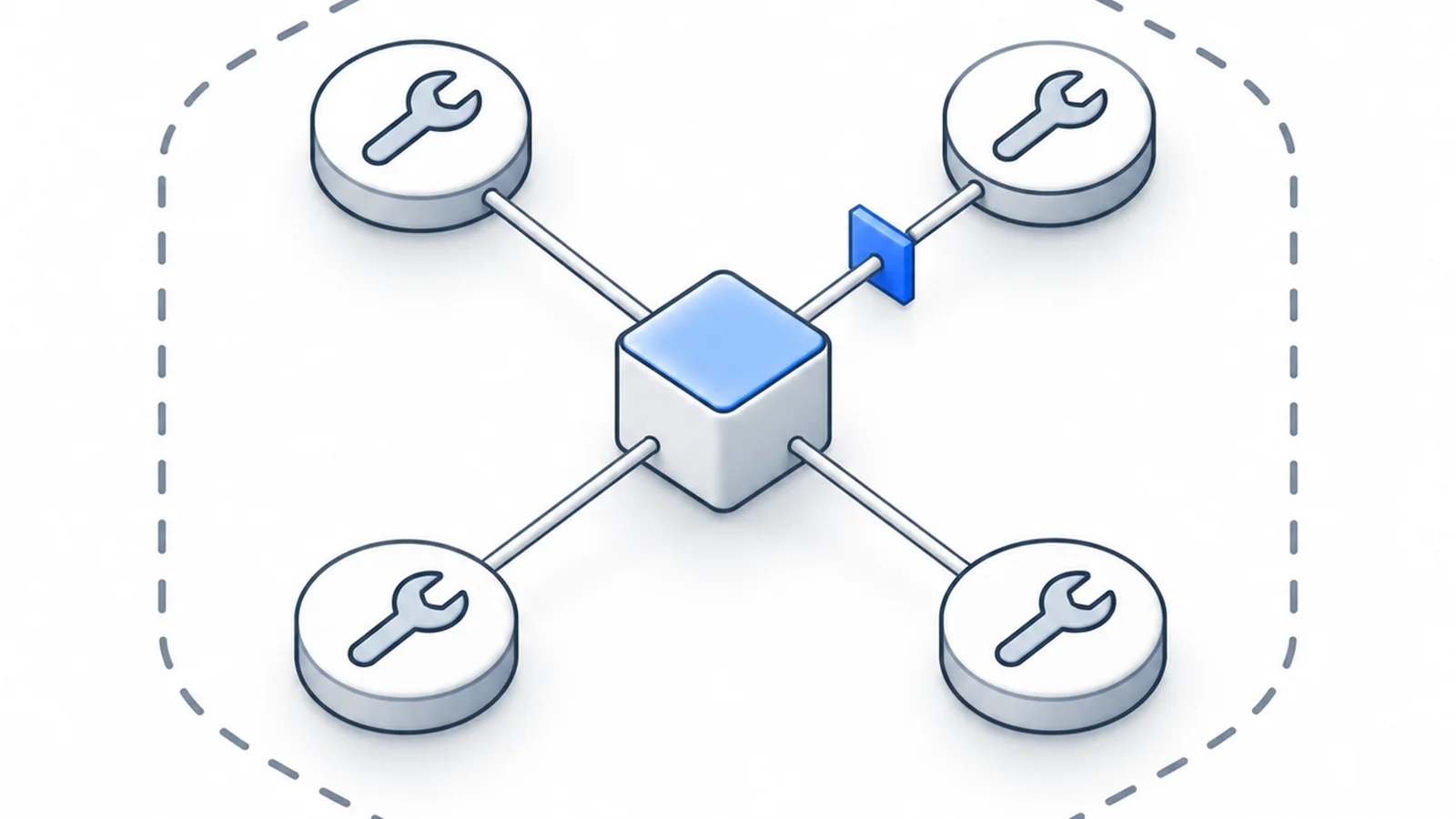
Change the address, cancel the item, issue the refund
An agent that reads the order and acts on it through tools you name in a policy. Reads run at once; writes wait for a person to approve. Every run is one record with its tool calls.
Build guide: Agents with tools and MCP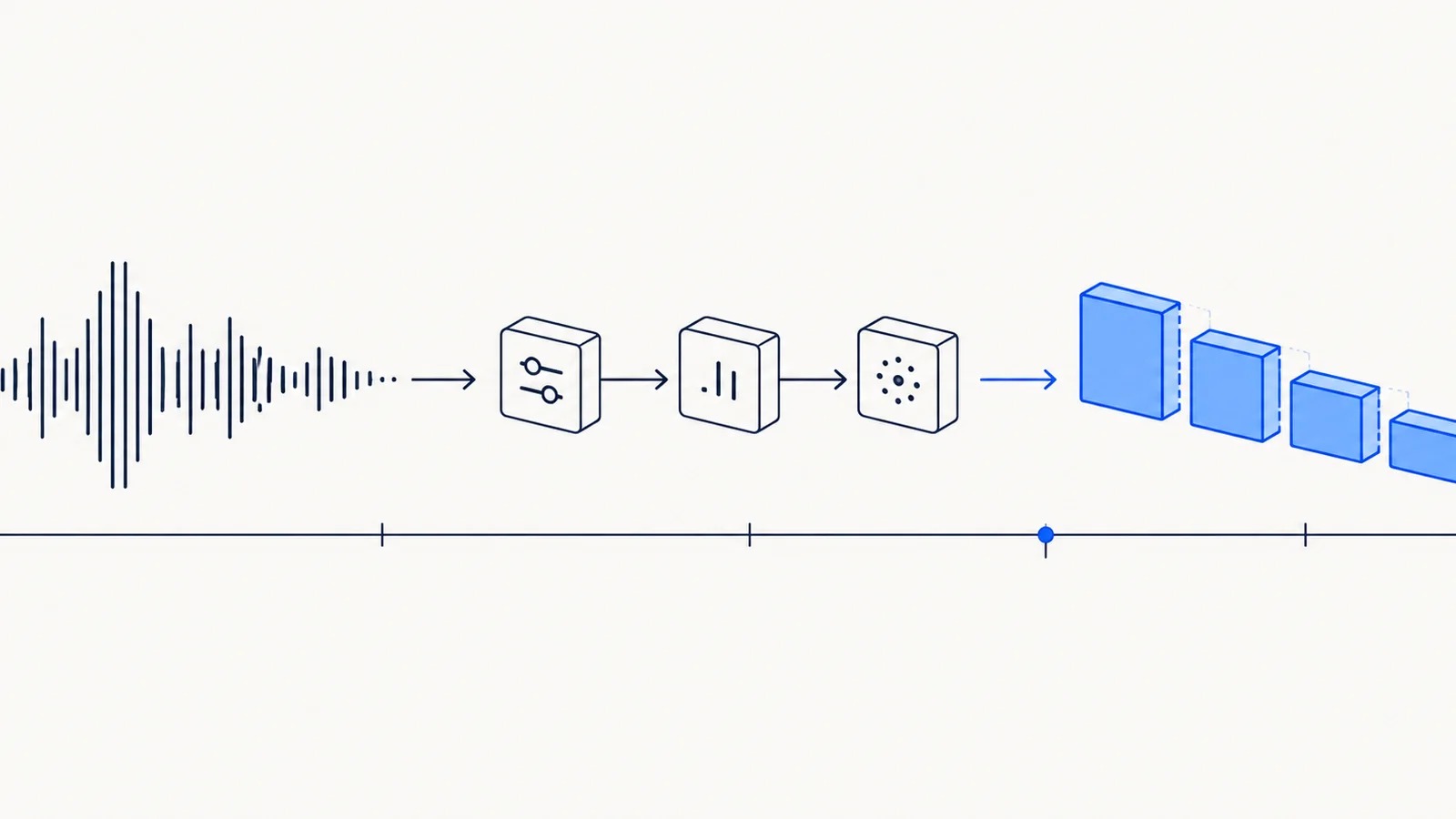
Phone orders and order status by voice
A turn-based voice assistant for an order line: transcribe, answer in a sentence, speak the reply. Measured honestly at 7 to 13 seconds a turn today, which fits an IVR and not yet a conversation; the guide says what would close the gap.
Build guide: Voice agent
Questions over the catalogue and the policies
Retrieval over product pages, size charts and policies, with the generation call routed per question and the context sized to what retrieval returned. Keep your search; route the answer.
Build guide: RAG over a knowledge base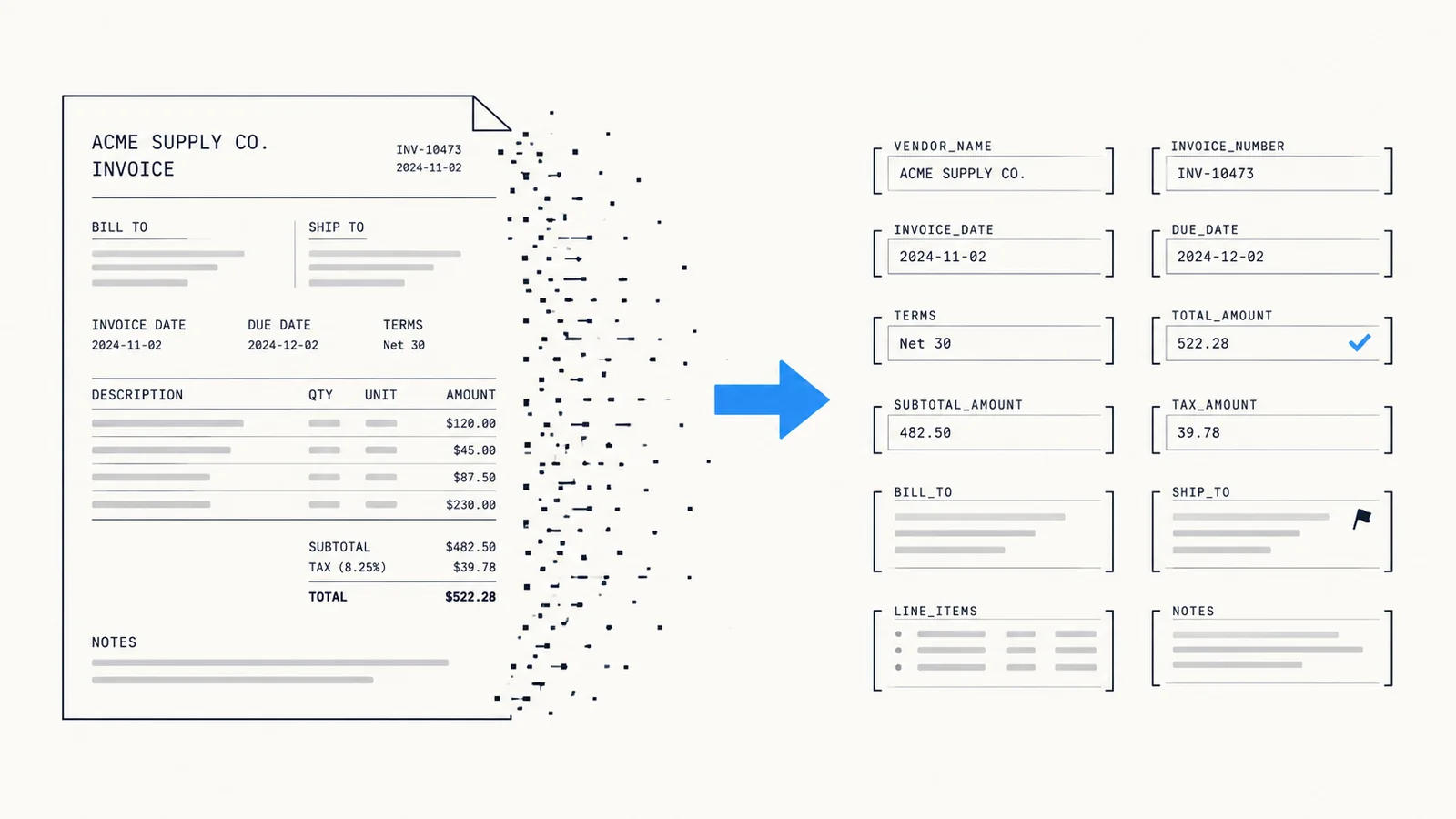
Supplier invoices and delivery notes into your systems
Documents into fields that match your schema, with idempotent retries and a review queue for what validation rejects. A back office that keys invoices by hand is the starting point.
Build guide: Document extraction to JSONWhat changes for retail and e-commerce
Order questions by the thousand, most of them lookups and a few of them disputes; agents that act on orders and need to be told what they may touch.
The bill follows the work
A lookup goes to a small fast model and a dispute to a strong one, decided per request. The response says which model answered and what it cost, so the cost per conversation is read from receipts, not estimated from a price list.
Customer data stays inside a list
The routing policy names the models that may see an order, an address or a card's last four. Zero retention keeps request content out of the log; your own provider keys keep the call inside a contract you already have.
Actions are governed
The tools an agent may call are an allow-list in the policy, dry-run first, then enforced. A refund waits for a person. Every run is on record with its tool calls, so a wrong action is answerable.
A public chat cannot run away
Per-visitor limits in the app, a spend cap per session in the policy, a daily cap on the key. A scripted visitor meets the first; a bug meets the last.
Figures with a source
Every number here was measured by us and says when. Where nothing was measured, nothing is claimed.
| One support answer from a policy passage, verified call | $0.000011 | Customer support assistant guide, run against the API on 2026-10-13 |
| Streamed answer, first token, latency objective | 1.5 to 3.5 s | Measured 2026-10-14, three runs, client-side from India |
| Requests that returned HTTP 200 in the load test | 100% of 1,272 | Load test against the public API, 2026-10-12 |
| Support evaluation on our own documentation | 31 of 31 cases | The quickstart's own run, 2026-10-09 |
Questions from retail and e-commerce teams
Yes. The design retrieves passages from your help centre or policy pages and the prompt confines the answer to them, with a citation to the passage used. Off-topic questions are refused in one sentence, and an evaluation holds it to that after every change.
The model ends its answer with a handoff marker, decided in the same call at no extra cost. The chat opens a form that emails the conversation to your support inbox with the shopper as reply-to, so answering it is replying to the email.
Through tools you define, under a policy that lists which tools a key may call. Reads run at once; writes wait for a person to approve, and a declined write is explained to the shopper rather than retried. Every run is recorded with its tool calls.
To the models in your policy pool, and nowhere else. A pool you name is a list you can show an auditor. Request content is kept for up to 30 days by default and not at all with zero retention; the routing decision is kept without it. Your own provider keys or cloud accounts keep the call inside your existing contracts.
Four limits that stack: per-visitor rate limits and a bot check in the app, a spend cap per conversation in the policy, and a daily cap and rate limit on the API key, which stops a runaway the same day whatever else fails.
As a turn-based assistant: an order line that transcribes a question, answers in a sentence and speaks the reply. Measured at 7 to 13 seconds a turn on 2026-10-14, which fits an IVR and a voicemail that answers, not yet a live conversation. The voice guide lists what would close the gap.
No. Retrieval, the help desk, the order system and the prompt stay yours. The generation call goes to Inferbase with the model set to auto; the OpenAI SDK with the base URL changed is the whole integration.
The response carries the cost of each request in micro-dollars, the same figure Usage shows, so the cost per conversation is a sum of receipts. We publish no average, because it depends on your policies and your pool; the verified support answer on the guide cost $0.000011.
Whichever models in your policy pool win on the objective for each request: fast models for lookups, strong models for disputes. Add a model to the pool and it joins the next request; pin one for a step that must not change. The response always names the model that served.
Put intelligence in the middle.
One gateway in front of every model, with your policies applied and every decision on record. Start on the free plan with 5,000 requests a month, no card required.